


Why Smart People Stay Broke: It’s Not Intelligence—It’s Missing Financial Structure (2026 Guide)
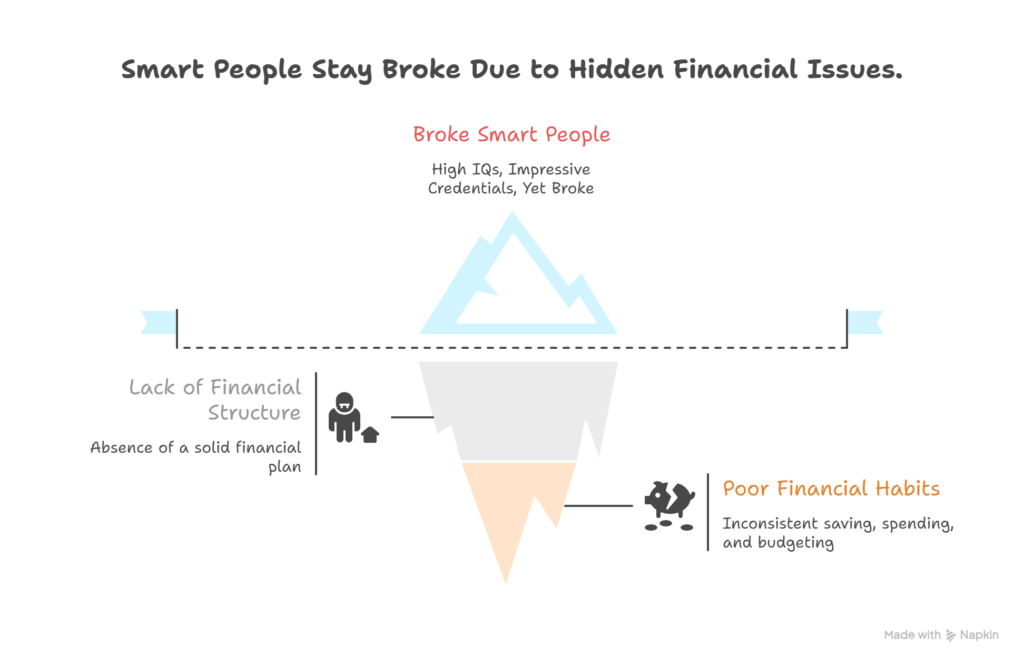
Many brilliant minds—doctors, engineers, academics, and tech experts—remain broke or live paycheck-to-paycheck despite high IQs and impressive credentials. The real reason isn’t lack of skill or effort; it’s lack of proper financial structure and habits. In this guide, we’ll explore the top reasons why smart people stay broke and share actionable steps to break the cycle in 2025–2026.
1. Overthinking and Analysis Paralysis Prevent Action
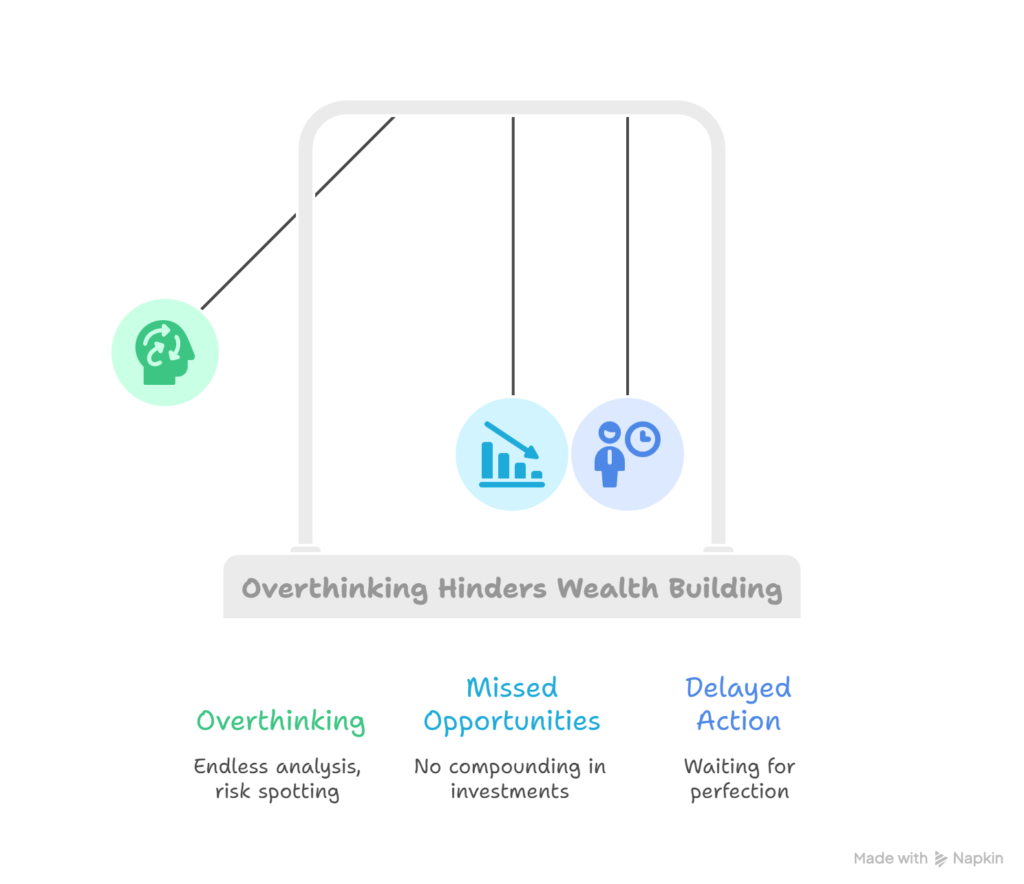
Smart individuals excel at spotting risks and flaws, but this often leads to overanalysis. They research investments endlessly, wait for the “perfect” opportunity, or dismiss simple wealth-building paths because they’re not sophisticated enough.
- Result: Missed compounding opportunities in stocks, real estate, or side businesses.
- Fix: Adopt the “good enough” mindset—start small, iterate fast. Set strict deadlines for decisions to combat perfectionism.
2. Prioritizing Knowledge Over Money-Making Skills
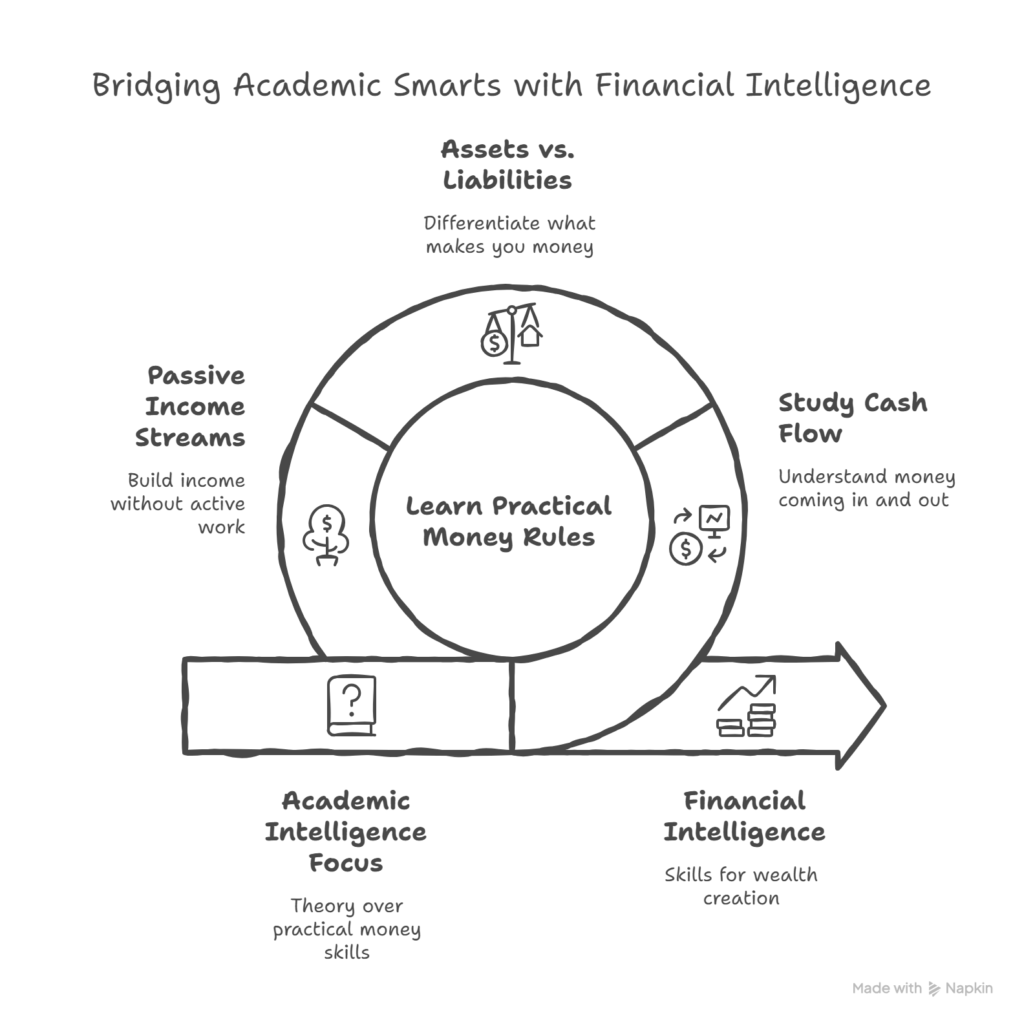
Academic intelligence focuses on theory, credentials, and problem-solving in controlled environments. Financial success requires different skills: sales, marketing, negotiation, and networking—areas many smart people undervalue or avoid.
- High earners often cap income at salaries without building assets.
- Robert Kiyosaki’s Rich Dad philosophy highlights this: academic smarts ≠ financial intelligence.
- Solution: Learn practical money rules—study cash flow, assets vs. liabilities, and passive income streams.
3. No Personal Systems or Structure for Wealth
Intelligent people thrive in structured systems (schools, corporations) but rarely create their own. Without routines like automated investing, budgeting frameworks, or business models, talent produces ideas—not sustained wealth.
- Common trap: Relying on high income without systems to protect and grow it.
- Build structure: Use apps for automatic savings (20–30% of income), track net worth monthly, and create multiple income sources.
4. Fear of Failure + Scarcity Mindset Blocks Risks
High IQ amplifies vivid risk visualization, leading to avoidance. Smart people foresee downsides so clearly they freeze, preferring “safe” paths like over-saving in low-yield accounts or chasing more degrees instead of revenue-generating ventures.
- Emotional override: Limbic system (fear) trumps neocortex (logic) under money stress.
- Shift: Embrace calculated risks—start with low-stakes experiments (e.g., $100 side hustle tests).
5. Weak Soft Skills Limit Influence and Earnings
Technical brilliance often pairs with poor communication, sales aversion, or introversion. Wealth requires persuading others—selling ideas, negotiating deals, building teams, or marketing products.
- Result: Great innovations stay hidden because no one buys them.
- Improve: Practice storytelling, join communities (e.g., masterminds), and learn basic marketing.
6. Lifestyle Inflation and Behavioral Traps Drain Wealth
Even high earners fall into “looking successful” traps—upgrading cars, homes, or vacations as income rises. Books like The Psychology of Money show behavior beats intelligence: patience and consistency compound wealth far more than IQ.
- Avoid: Track expenses ruthlessly; live below means for 5–10 years to build assets first.
How to Stop Being Smart and Broke: Build Financial Structure in 2026
Wealth isn’t about being the smartest—it’s about implementing systems. Here’s a simple roadmap:
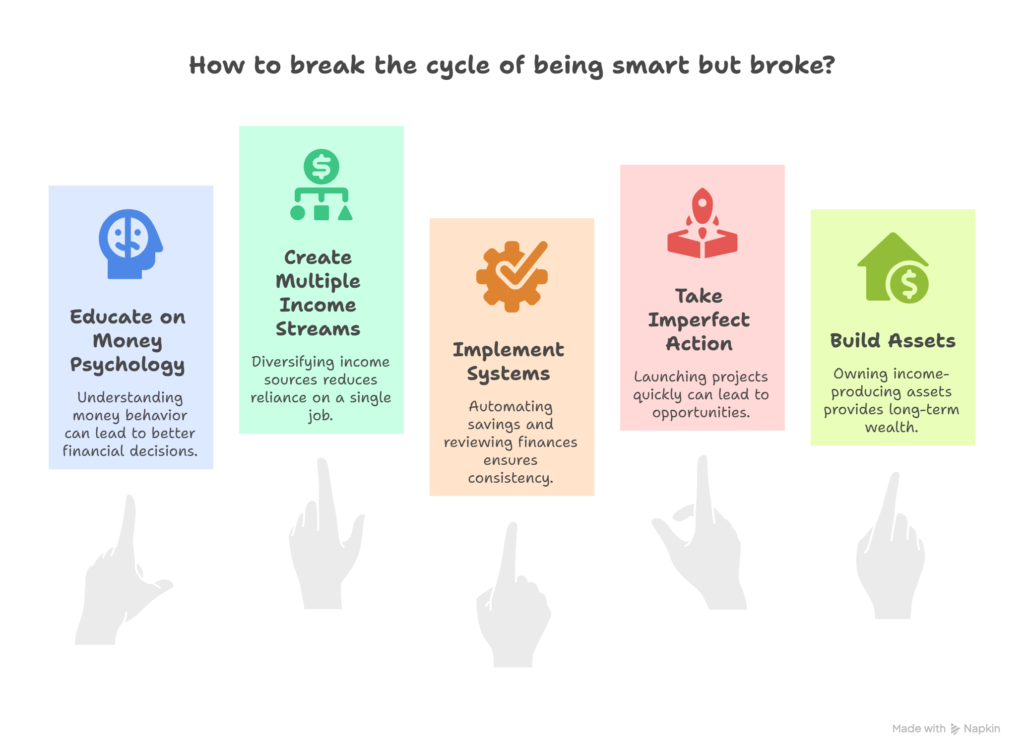
- Educate on Money Psychology — Read Rich Dad Poor Dad, The Psychology of Money, or modern updates on behavioral finance.
- Create Multiple Income Streams — Turn expertise into products (courses, consulting, content) or invest in index funds/ETFs.
- Implement Systems — Automate 20%+ savings, review finances quarterly, use tools like YNAB or Mint.
- Take Imperfect Action — Launch a side project this month—even if it’s messy.
- Build Assets, Not Just Income — Focus on owning income-producing things (stocks, rental properties, businesses).
In 2026’s economy—with rising costs and AI disrupting jobs—smart people who add financial structure win big. Intelligence opens doors; systems keep the money. Audit your habits today—what one change could transform your finances?
If this resonates, start small: Pick one reason above and fix it this week. Share your biggest “aha” moment in the comments—what’s holding you back?


